

 Tiếng việt


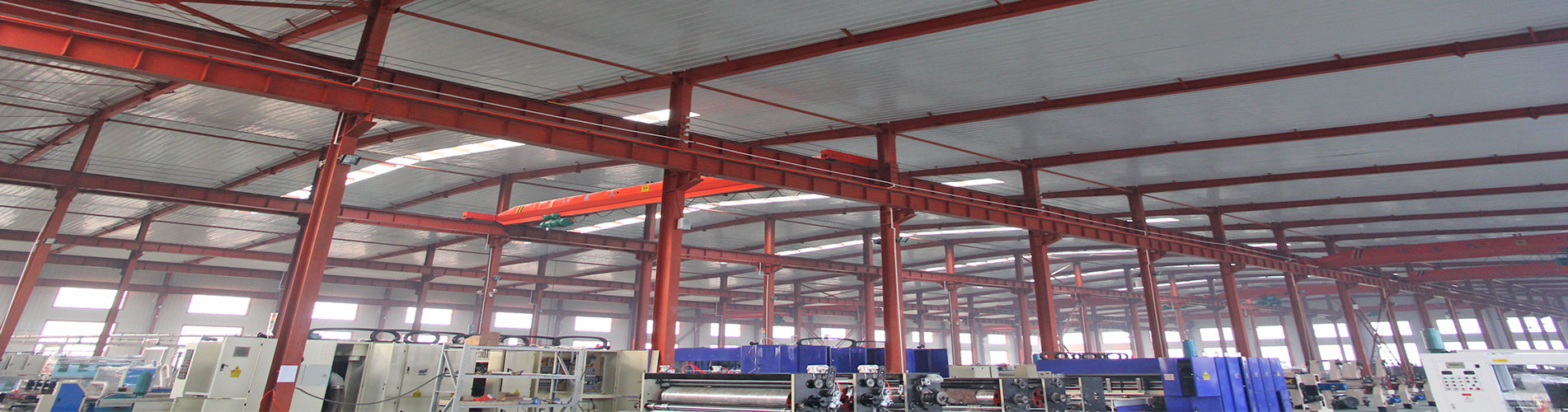

Tips for Constructing High-Quality Steel Structure Buildings
Constructing a high-quality steel structure building requires careful planning, material selection, fabrication precision, and on-site execution. Here are key tips to ensure durability, safety, and cost-efficiency:
1. Design & Engineering
Engage experienced structural engineers familiar with local codes (e.g., seismic, wind, snow loads).
Optimize the design for functionality, future expansion, and maintenance access.
Use 3D modeling/BIM (Building Information Modeling) to detect clashes and improve accuracy before fabrication.
2. Material Selection
Choose high-grade steel (e.g., ASTM A992 for beams, A36 for plates) with proper mill test reports.
Ensure steel has appropriate corrosion protection (galvanizing, epoxy coatings) based on environmental exposure.
Specify certified welders and welding consumables matching base metal properties.
3. Fabrication Quality
Work with accredited fabricators (AISC certified in the U.S., or equivalent locally).
Maintain tight dimensional tolerances during cutting, drilling, and welding.
Implement non-destructive testing (NDT)—ultrasonic, magnetic particle, etc.—for critical connections.
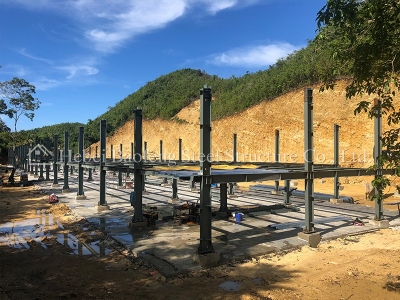
4. Foundation & Anchor Bolts
Design foundations to accommodate steel column loads and reactions accurately.
Set anchor bolts with precision templates to avoid misalignment; verify locations before concrete pour.
Allow for grout leveling under base plates to ensure uniform load transfer.
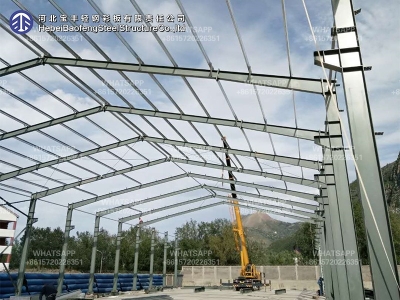
5. Erection & Assembly
Develop a detailed erection plan including crane capacity, lift sequences, and temporary bracing.
Use proper lifting accessories and protect steel edges from damage.
Install stiffeners and bracing as specified to maintain stability during construction.
6. Connection Integrity
Follow approved welding procedure specifications (WPS) and inspect welds visually and via NDT.
For bolted connections, use high-strength bolts (A325/A490), tighten to specified torque/tension, and check with calibrated tools.
Ensure shear tabs, splice plates, and gusset plates are correctly aligned and secured.
7. Corrosion Protection & Fireproofing
Apply coatings per environment (C3–C5 corrosion categories); inspect surface preparation (SSPC/NACE standards).
Install fireproofing materials (intumescent paint, spray-applied fire-resistive material) to meet required fire ratings.
Protect exposed edges, welds, and field repairs with compatible coating systems.
8. Quality Control & Documentation
Assign an on-site quality control inspector independent of the construction crew.
Maintain as-built drawings, material certs, weld maps, and inspection reports.
Conduct regular coordination meetings among architect, engineer, fabricator, and erector.
9. Safety & Compliance
Enforce OSHA (or local equivalent) safety standards—fall protection, crane safety, PPE.
Train workers on steel erection hazards and emergency protocols.
Obtain all permits and inspections at each milestone.
10. Post-Construction Maintenance
Provide owner with maintenance manual: inspection intervals, coating care, bolt retensioning if needed.
Plan periodic inspections for corrosion, connection looseness, and deflection.
Design for accessibility (catwalks, platforms) to facilitate upkeep.
Summary: High-quality steel buildings result from integrated design, certified materials, controlled fabrication, precise erection, and rigorous QA/QC—backed by skilled professionals and clear documentation.
Thể loại
Sản phẩm mới


Cho .Thắc mắc về sản phẩm hoặc bảng giá của chúng tôi, xin vui lòng để lại cho chúng tôi và chúng tôi sẽ liên lạc trong vòng 24 giờ.
© Bản quyền: 2026 Hebei Baofeng Steel Structure CO.,LTD Đã đăng ký Bản quyền.

IPv6 mạng được hỗ trợ


 +8615720226351