

 Tiếng việt



Key Features Of Steel Structure Chicken Houses
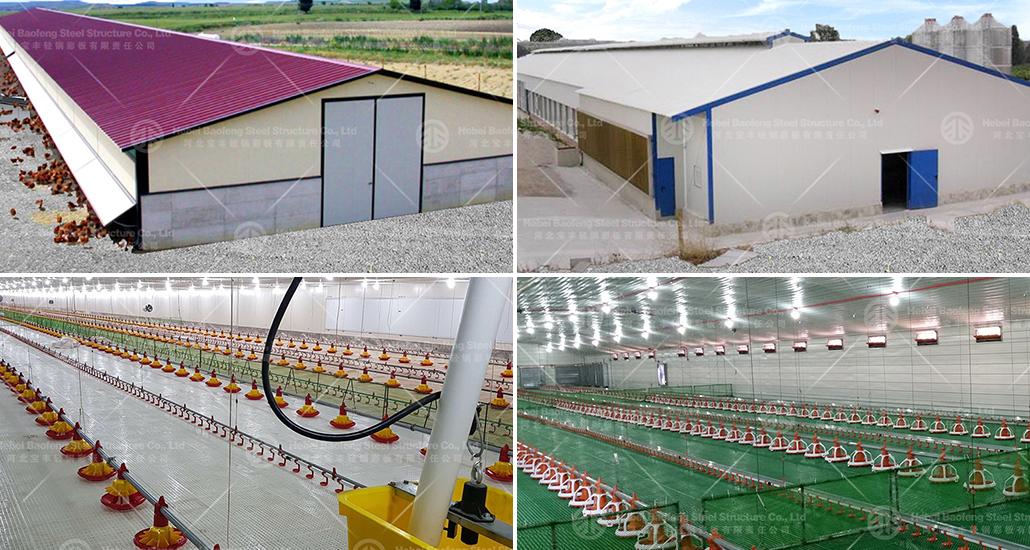
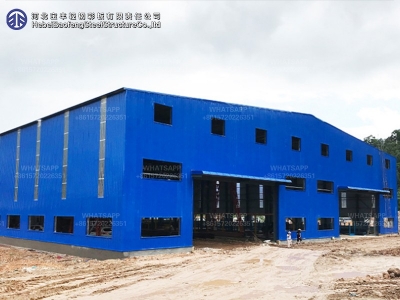
steel structure chicken house is a modern poultry farming facility primarily constructed using steel as the main building material. It is designed to provide a durable, efficient, and controlled environment for raising chickens, whether for egg production (layers) or meat production (broilers).
Key Features:
1.Durable and Long-Lasting
Steel structures are resistant to corrosion, pests (such as termites), and fire. They can withstand harsh weather conditions, including heavy rain, strong winds, and snow loads, ensuring long-term usability with minimal maintenance.
2.Spacious and Flexible Design
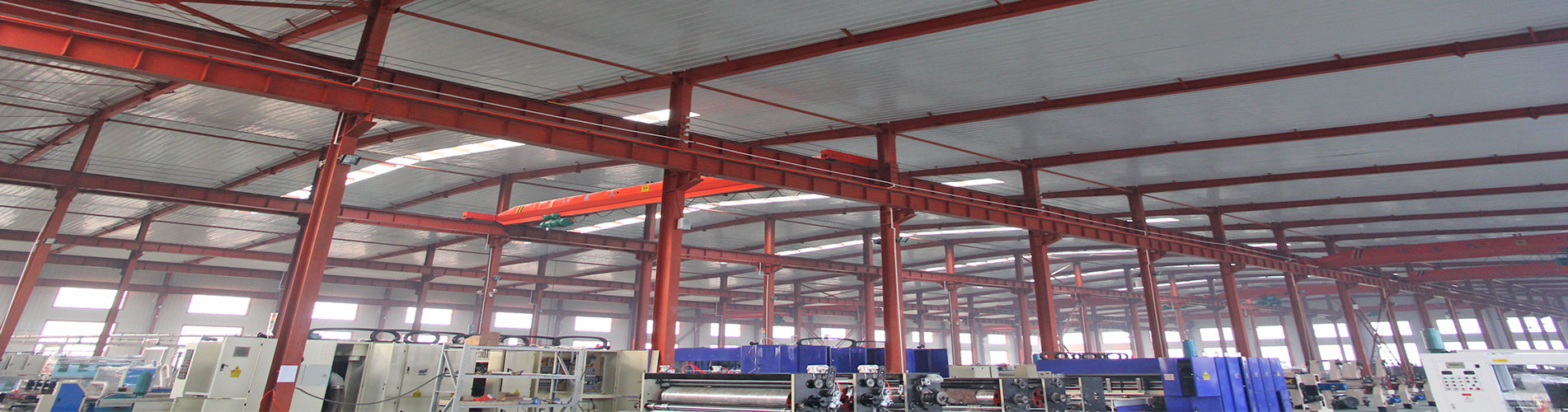
Steel allows for wide-span constructions without the need for internal columns, maximizing usable space. This open layout facilitates efficient arrangement of feeding, watering, and ventilation systems, as well as easy movement for workers and equipment.
3.Excellent Ventilation and Environmental Control
Designed with customizable ventilation systems (e.g., sidewall curtains, exhaust fans, and cooling pads), steel chicken houses maintain optimal temperature, humidity, and air quality. This helps reduce heat stress, ammonia buildup, and the risk of disease.
4.Natural Light and Insulation
Translucent roof panels or side windows can be incorporated to utilize natural daylight, promoting chicken well-being and reducing energy costs. Additionally, insulation materials (like foam or reflective sheets) can be added to regulate indoor temperatures in extreme climates.
5.Hygienic and Easy to Clean
Smooth steel surfaces are easy to disinfect and less likely to harbor bacteria or parasites compared to traditional wood or concrete structures. This supports biosecurity protocols and improves overall flock health.
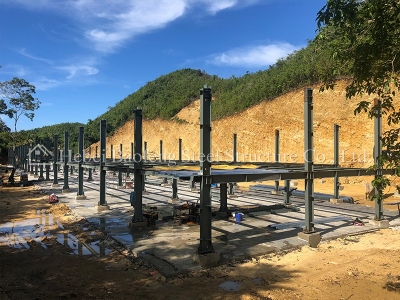
6.Quick and Modular Construction
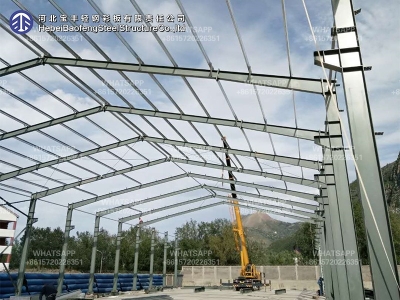
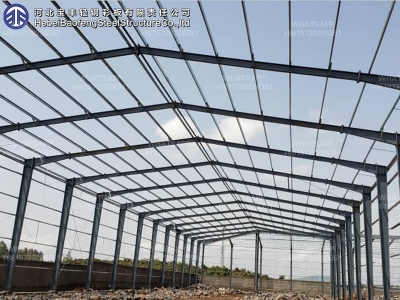
Prefabricated steel components allow for faster assembly compared to conventional building methods. Modular designs also make it easy to expand or modify the facility as needed.
7.Cost-Effectiveness
Although the initial investment may be higher than traditional materials, steel chicken houses offer lower long-term costs due to their durability, low maintenance, and energy-efficient features.
Common Applications:
Broiler Production: Designed for rapid growth and high-density rearing.
Layer Housing: Equipped with nesting systems, perches, and egg collection belts.
Breeder Farms: Specialized setups for parent stock management.
Free-Range or Semi-Intensive Systems: Steel frames combined with open-sided designs for partial outdoor access.
Considerations for Design:
Ventilation Planning: Critical for temperature control and air quality.
Insulation and Cooling: Essential in hot or cold climates to reduce energy use.
Biosecurity Measures: Including fencing, disinfectant entry points, and rodent-proofing.
Automation Integration: Compatible with automated feeders, drinkers, and manure removal systems.
Advantages over Traditional Chicken Houses:
Longer lifespan (20–30 years or more with proper maintenance).
Higher resistance to environmental damage.
Better adaptability to technological upgrades.
Improved animal welfare through controlled environments.
Conclusion:
Steel structure chicken houses represent a sustainable and efficient solution for modern poultry farming. They offer a balance of strength, flexibility, and environmental control, helping farmers improve productivity, animal health, and operational efficiency. With proper design and management, these facilities can significantly contribute to a profitable and sustainable poultry business.
Thể loại
Sản phẩm mới


Cho .Thắc mắc về sản phẩm hoặc bảng giá của chúng tôi, xin vui lòng để lại cho chúng tôi và chúng tôi sẽ liên lạc trong vòng 24 giờ.
© Bản quyền: 2026 Hebei Baofeng Steel Structure CO.,LTD Đã đăng ký Bản quyền.

IPv6 mạng được hỗ trợ


 +8615720226351