

 Tiếng việt


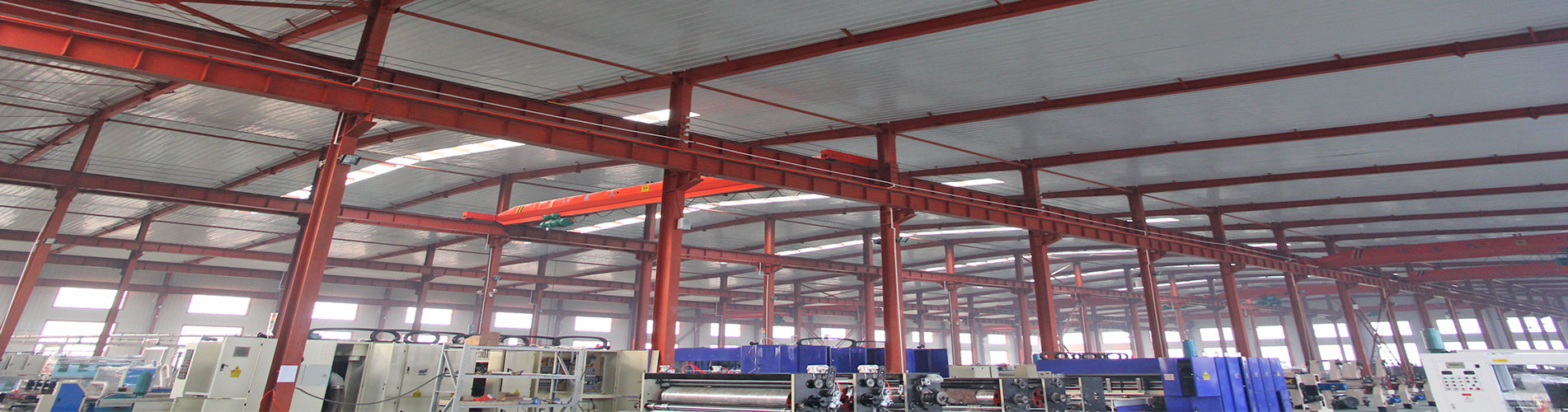

Why Using Steel Structures in Cold Storage Facilities?
Cold storage facilities are the backbone of the modern food supply chain, pharmaceutical distribution, and chemical logistics. Unlike standard warehouses, these buildings operate under extreme conditions: sub-zero temperatures, high humidity, and strict hygiene requirements. This is why steel structures have become the dominant choice for cold storage construction worldwide.
Below is a breakdown of why steel buildings are uniquely suited for cold storage environments.
1. Faster Construction, Earlier ROI
Time is money—especially in the cold chain industry. Steel structures are prefabricated off-site under controlled factory conditions and assembled on-site. Compared to traditional reinforced concrete buildings, steel construction can shorten the project timeline by 50% to 70%.
For a business, this means:
Earlier commissioning and revenue generation
Reduced labor costs on-site
Minimal weather-related delays
In an industry where every day of downtime translates to spoiled goods, speed matters.
2. Lightweight Design Reduces Frost Heave Risk
One of the most destructive forces in cold storage is frost heave—when moisture in the ground freezes and expands, pushing the floor upward. Heavy concrete structures place enormous static loads on the foundation, increasing the risk of ground freezing and structural deformation.
Steel structures, combined with insulated metal panels, weigh only one-third to one-fifth of their concrete counterparts. This lighter footprint:
Reduces foundation depth and cost
Lowers the risk of frost heave
Allows for simpler anti-freezing measures (ventilated voids, heating pipes, XPS insulation)
3. Large Spans, Maximum Space Efficiency
Cold storage is expensive to operate—every cubic meter of chilled air costs money. Steel frames can achieve clear spans of 20 to 40 meters without interior columns, which means:
Unobstructed racking layouts
Higher storage density
Better forklift maneuverability
Easier future reconfiguration
In contrast, concrete buildings typically require dense column grids that waste valuable storage space and disrupt workflow.
4. Superior Thermal Insulation and Airtightness
Energy consumption is the single largest operating cost of a cold storage facility. Steel buildings are typically clad with PU (polyurethane) or PIR (polyisocyanurate) metal sandwich panels, which offer:
Low thermal conductivity (PU: ~0.018–0.024 W/m·K)
Minimal thermal bridging when paired with steel framing
Excellent airtightness, reducing cold air leakage
Fewer joints, fewer gaps, and purpose-designed connection systems mean significantly lower energy bills over the building's lifetime.
5. Cold-Resistant Material Properties
Steel actually gains strength at lower temperatures (provided the correct grade is specified, such as Q355ND or ASTM A572). There is no risk of freeze-thaw degradation—a common problem with concrete and masonry, which can crack and spall under repeated freeze-thaw cycles.
Additionally, steel's ductility provides excellent seismic resistance, making it ideal for earthquake-prone regions.
6. Flexibility for Expansion, Relocation, and Upgrades
Cold storage needs evolve. A facility built for ambient produce today may need to serve frozen seafood tomorrow. Steel structures offer:
Easy extension by adding bays
Partial disassembly and reuse of components
Simplified integration of new insulation systems or mezzanine floors
Concrete buildings, once set, are difficult and costly to modify.
7. Sustainability and Recyclability
With growing pressure to reduce carbon footprints, steel stands out:
High recyclability rate (steel is the most recycled construction material globally)
Minimal construction waste
Lower embodied carbon compared to concrete (especially when using recycled steel content)
Thể loại
blog mới nhất


Cho .Thắc mắc về sản phẩm hoặc bảng giá của chúng tôi, xin vui lòng để lại cho chúng tôi và chúng tôi sẽ liên lạc trong vòng 24 giờ.
© Bản quyền: 2026 Hebei Baofeng Steel Structure CO.,LTD Đã đăng ký Bản quyền.

IPv6 mạng được hỗ trợ


 +8615720226351