

 Tiếng việt


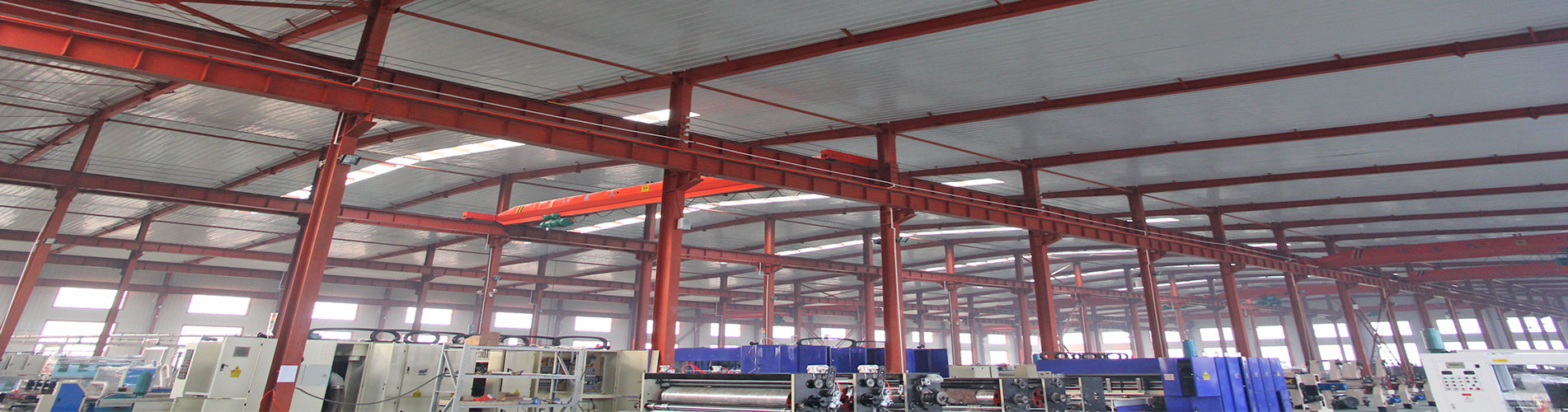

Why choose steel structure for farm shed?
Choosing a steel structure for a farm shed (also called a machinery shed, barn, or workshop) is a very popular and practical decision in modern agriculture. Here’s a breakdown of the key reasons why farmers and landowners consistently choose steel.
Primary Advantages:
1. Strength and Durability:
High Strength-to-Weight Ratio: Steel is incredibly strong for its weight, allowing for large, clear-span spaces (no internal pillars) to easily store, maneuver, and service large equipment like tractors, combines, and harvesters.
Resilience: It can withstand heavy snow loads, high winds, and impacts much better than many traditional materials.
Non-Combustible: Steel will not burn, which is critical for protecting valuable machinery, livestock feed, and harvested crops.
Impervious to Pests: It is completely resistant to termites, rodents, and birds that can nest in and destroy wooden structures.
2. Low Maintenance and Longevity:
No Rot or Warp: Unlike wood, steel does not rot, warp, crack, or splinter.
Corrosion Resistance: Modern farm sheds use Galvalume® or color-coated steel that is highly resistant to rust and corrosion from moisture, fertilizers, and animal waste.
Easy to Clean: Smooth surfaces can be easily hosed down or cleaned.
Long Life Expectancy: A properly maintained steel farm shed can last 40+ years with minimal upkeep.
3. Cost-Effectiveness:
Lower Initial Cost: Compared to traditional brick or timber structures of similar size, steel buildings are often more affordable due to prefabrication and faster construction.
Speed of Construction: Pre-engineered components bolt together quickly, meaning the shed is up and under cover in days or weeks, not months. This reduces labor costs and gets you using the space faster.
Reduced Insurance Premiums: Due to its non-combustible nature, insurance for a steel structure can be lower.
4. Design and Functionality Flexibility:
Clear-Span Interiors: The entire floor space is usable for storage, workshops, or indoor animal shelters.
Easy to Expand: It's relatively simple to extend the length of a steel shed in the future if needs change.
Customizable: You can choose door sizes (essential for tall equipment), add skylights for natural light, insulation, ventilation, lean-tos, and interior fittings to suit exact needs (e.g., a workshop area, grain storage, stables).
5. Sustainability:
Recyclable: Steel is 100% recyclable at the end of its long life. Most new steel contains a high percentage of recycled material.
Less Waste: Prefabrication leads to precise manufacturing with minimal on-site waste.
Energy Efficient: When combined with proper insulation and reflective roof coatings, steel sheds can stay cooler in summer and retain heat in winter, reducing energy needs for workshops or livestock areas.
Considerations (to be aware of):
Condensation: In humid climates, uninsulated steel buildings can experience condensation (sweating). This is easily managed with proper ventilation and insulation systems, which should be considered in the initial design.
Appearance: Some may prefer the traditional look of a wooden barn. However, modern steel sheds come in a variety of colors and profiles and can be designed with attractive facades to improve aesthetics.
Professional Installation: While simpler than other builds, it still requires a competent installer to ensure it is level, square, and sealed correctly.
Summary: The Practical Choice for Modern Farming
A steel farm shed is chosen because it is a fast, strong, and economical solution that provides a large, flexible, and low-maintenance space to protect a farm’s most valuable physical assets—its machinery, harvest, and livestock.
It directly addresses core farming needs: durability to withstand the elements, cost control in both build and upkeep, and functional space to improve operational efficiency. For any farmer looking for a reliable, long-term storage or workspace solution, steel consistently proves to be the most logical and advantageous choice.
Thể loại
blog mới nhất


Cho .Thắc mắc về sản phẩm hoặc bảng giá của chúng tôi, xin vui lòng để lại cho chúng tôi và chúng tôi sẽ liên lạc trong vòng 24 giờ.
© Bản quyền: 2026 Hebei Baofeng Steel Structure CO.,LTD Đã đăng ký Bản quyền.

IPv6 mạng được hỗ trợ


 +8615720226351