

 Tiếng việt


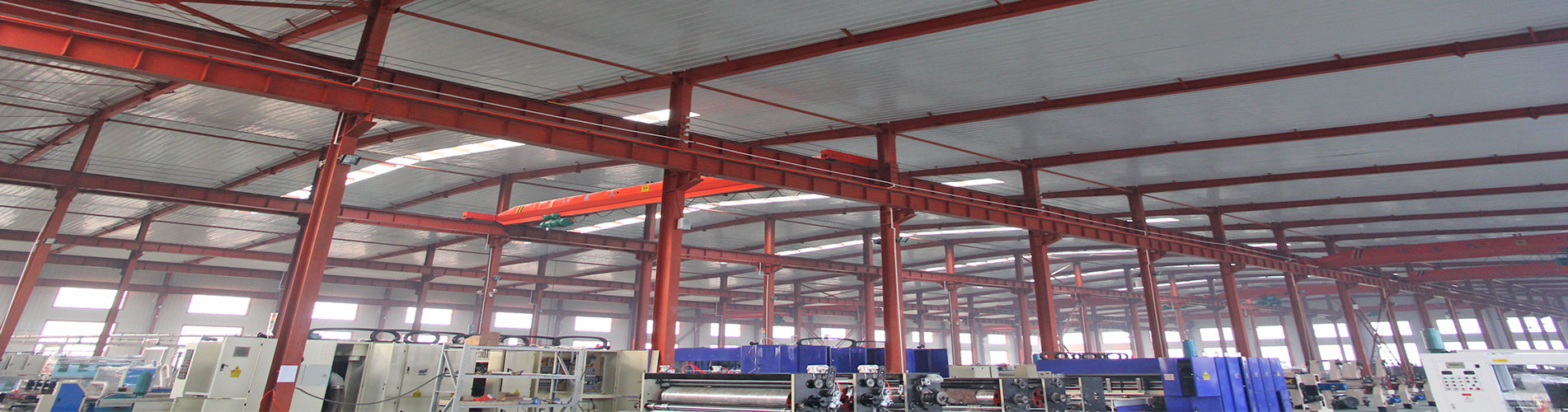

Cost-Effective Heat Preservation for Steel Structure Warehouses
Here are cost-effective heat preservation solutions for steel structure warehouses, combining insulation performance with budget considerations:
1. Insulation Materials (Core Choices)
Glass Wool / Rock Wool:
Pros: Low cost, good fire resistance (A1级不燃), excellent sound absorption.
Cons: Heavier, requires careful handling (skin/eye irritation), moisture protection needed.
Best for: Walls, roofs where initial cost is the primary driver.
EPS Foam Board (Expanded Polystyrene):
Pros: Very low cost, lightweight, easy to install, good moisture resistance.
Cons: Lower fire rating (requires flame-retardant grade), can be damaged by pests.
Best for: Non-critical areas, budget-constrained projects, or as part of a composite system.
2. Cost-Saving Construction & Design Strategies
Optimized Insulation Thickness: Conduct an economic analysis to find the "sweet spot" where added material cost balances with long-term energy savings. Don't just default to the thickest option.
Focus on Airtightness: The best insulation is useless if air leaks. Use quality tapes, sealants, and proper installation around doors, windows, and panel joints. This is a high-ROI measure.
Strategic Placement: Prioritize the roof (where most heat rises and escapes), then walls. Consider insulating the perimeter of the floor slab.
Utilize Thermal Mass: If applicable, a painted concrete floor can absorb heat during the day and release it at night, stabilizing temperature at low cost.
Passive Solar & Ventilation: Design with strategically placed, operable skylights or vents for hot air exhaust (ridge vents) and cool air intake (eave vents) to reduce cooling costs.
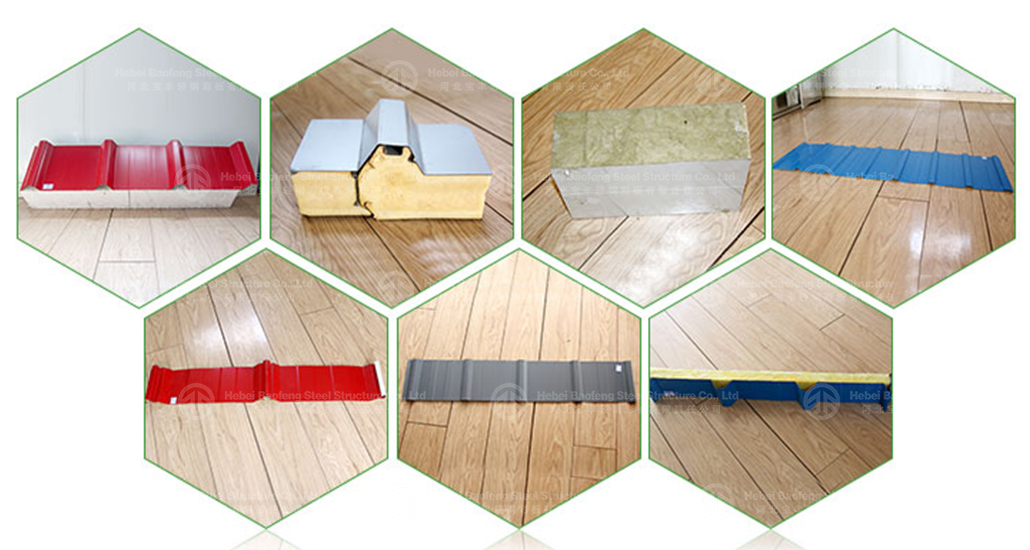
3. Composite Wall/Roof System (Most Common & Balanced)
The standard, cost-effective practice is to use sandwich panels or build a composite system:
Structure: Primary steel frame.
Cladding: Outer layer of corrugated steel sheet.
Insulation Core: Filled with glass wool/rock wool rolls or boards (most economical) or XPS boards.
Inner Liner: Inner layer of steel sheet or protective membrane.
This system provides structure, insulation, and cladding in one integrated, relatively quick-to-install solution.
4. Key Considerations for Cost-Effectiveness
Local Climate: Choose material and thickness suitable for local temperature ranges and humidity.
Building Codes: Ensure the selected material, especially foam plastics, meets local fire safety regulations. Upgrades for fireproofing can add cost.
Lifecycle Cost: Consider durability and maintenance. A slightly more expensive material that lasts longer and doesn't settle (like XPS vs. fiber batts) may be cheaper over 20 years.
Installation: Factor in labor cost. Simple, DIY-friendly materials (like foam boards) can save money, but professional installation for systems like spray foam ensures performance.
Thể loại
blog mới nhất


Cho .Thắc mắc về sản phẩm hoặc bảng giá của chúng tôi, xin vui lòng để lại cho chúng tôi và chúng tôi sẽ liên lạc trong vòng 24 giờ.
© Bản quyền: 2026 Hebei Baofeng Steel Structure CO.,LTD Đã đăng ký Bản quyền.

IPv6 mạng được hỗ trợ


 +8615720226351