

 Tiếng việt


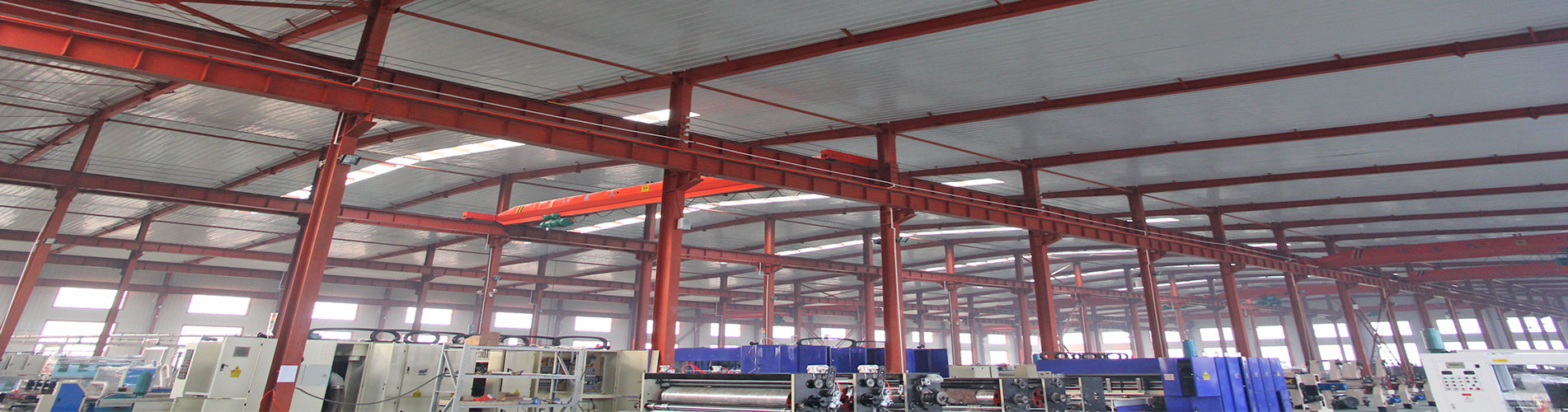

Are steel structures suitable for stadiums?
Absolutely, yes. Steel is the dominant and often the ideal material for stadium construction. From iconic, soaring roofs to massive, column-free spans, steel structures make modern stadiums possible.
Here’s a detailed breakdown of why steel is so suitable for stadiums and the key considerations involved.
Key Advantages of Steel for Stadiums
1. Ability to Create Long Spans and Column-Free Views
This is the single most important reason. Spectators need clear, unobstructed sightlines to the field.
Structural Efficiency: Steel has an exceptionally high strength-to-weight ratio. This allows engineers to design roofs and seating decks that can stretch over vast distances without the need for supporting columns that would block views.
Flexible Design: Whether it's a simple cantilevered roof or a complex retractable roof (like on SoFi Stadium or the Mercedes-Benz Stadium in Atlanta), steel is the only material flexible enough to create these ambitious designs.
2. Speed of Construction
Time is money, especially for large-scale projects with tight deadlines.
Prefabrication: Steel components are manufactured off-site with high precision. While the foundation is being prepared on-site, the steel beams and trusses are being fabricated in a factory.
Rapid Assembly: Once on-site, the steel structure can be erected incredibly quickly using cranes. This "dry" construction method is much faster than traditional concrete work, which requires pouring and curing time. This can shave months off the construction schedule.
3. Strength and Durability
Stadiums are massive, permanent structures that must withstand heavy loads (snow, wind, crowds) for decades.
High Load Capacity: Steel can support the immense weight of multiple tiers of seating, giant video boards, and complex roof systems.
Resilience: Properly designed and maintained steel structures are highly resistant to environmental forces like earthquakes and high winds.
Long Lifespan: With modern protective coatings (like galvanization and specialized paints), steel structures can last for over 100 years with minimal maintenance.
4. Design Flexibility and Aesthetics
Steel allows architects to realize their most visionary designs.
Iconic Landmarks: The most famous stadiums in the world are defined by their steel frameworks—the arch of Wembley Stadium, the lattice shell of the Bird's Nest in Beijing, and the flowing roof of the Allianz Arena in Munich.
Adaptability: Steel structures can be more easily modified or expanded in the future to add more seats, luxury boxes, or new facilities, something that is much more difficult with concrete.
5. Sustainability
Modern stadium projects have a strong focus on environmental impact.
Recyclability: Steel is the world's most recycled material. At the end of a stadium's life, the entire steel frame can be recycled into new products.
Prefabrication Reduces Waste: The precision of off-site fabrication leads to significantly less material waste on the construction site compared to traditional methods.
Potential for Reuse: In some cases, major structural elements can be disassembled and reused in other projects.
Considerations and Challenges
While excellent, steel is not without its challenges, which must be managed through good engineering:
Fire Protection: Bare steel loses strength when exposed to high temperatures from a fire. This is a critical safety consideration. Stadium steelwork must be protected with fire-resistant materials, such as:
Intumescent Coatings: A paint-like substance that swells when heated, forming an insulating char that protects the steel.
Fireproof Boards or Sprays: Applied directly to the steel members to provide insulation.
Corrosion: In certain environments, steel can rust. This is managed through high-quality protective coatings and regular maintenance inspections.
Cost Fluctuation: The cost of steel is subject to global market volatility, which can impact project budgeting. However, the speed of construction can often offset initial material costs.
Complex Engineering: The ambitious designs of modern stadiums require highly sophisticated engineering and skilled labor for both fabrication and erection.
Steel vs. Concrete: A Common Comparison
Stadiums often use a hybrid approach, leveraging the strengths of both materials:
Concrete: Is excellent for the foundations and the vertical support structures (like the massive ramps and cores that house stairs and elevators). It is also often used for the stepped seating tiers (bleachers) because it's cost-effective for these repetitive, gravity-loaded elements.
Steel: Is almost always used for the long-span roofs, large cantilevers, and retractable systems.
Conclusion: A modern stadium typically has a concrete substructure (the bowl) and a steel superstructure (the roof).
Famous Examples of Steel Stadiums
Wembley Stadium (London): Famous for its 133-meter-high steel arch that supports the majority of the north roof and the entire south roof.
SoFi Stadium (Los Angeles): Features an immense, lightweight steel cable-net roof system that appears to float over the stadium.
Bird's Nest (Beijing National Stadium): An iconic example of the aesthetic possibilities of steel, with its complex, twisting lattice structure.
Mercedes-Benz Stadium (Atlanta): Features a revolutionary pinwheel-shaped, retractable steel roof.
Final Verdict
Yes, steel structures are not just suitable but are often the preferred choice for stadiums. Their unique combination of strength, flexibility, and construction speed makes them indispensable for creating the large, column-free spaces and iconic architectural statements that define modern sports and entertainment venues. The challenges of fire protection and corrosion are well-understood and effectively managed through modern engineering standards.
Thể loại
blog mới nhất


Cho .Thắc mắc về sản phẩm hoặc bảng giá của chúng tôi, xin vui lòng để lại cho chúng tôi và chúng tôi sẽ liên lạc trong vòng 24 giờ.
© Bản quyền: 2026 Hebei Baofeng Steel Structure CO.,LTD Đã đăng ký Bản quyền.

IPv6 mạng được hỗ trợ


 +8615720226351